 Image 1 of 5
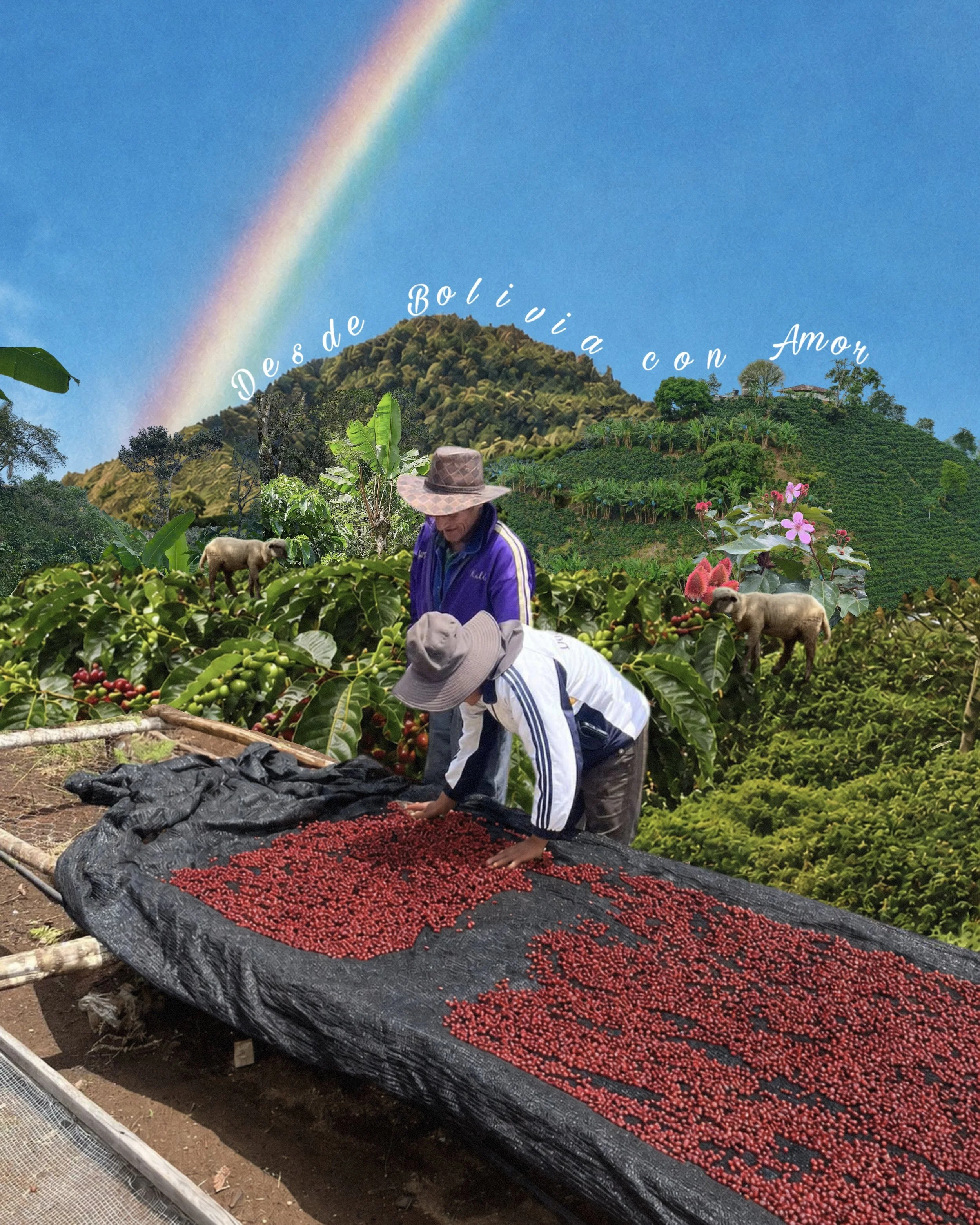 Image 2 of 5
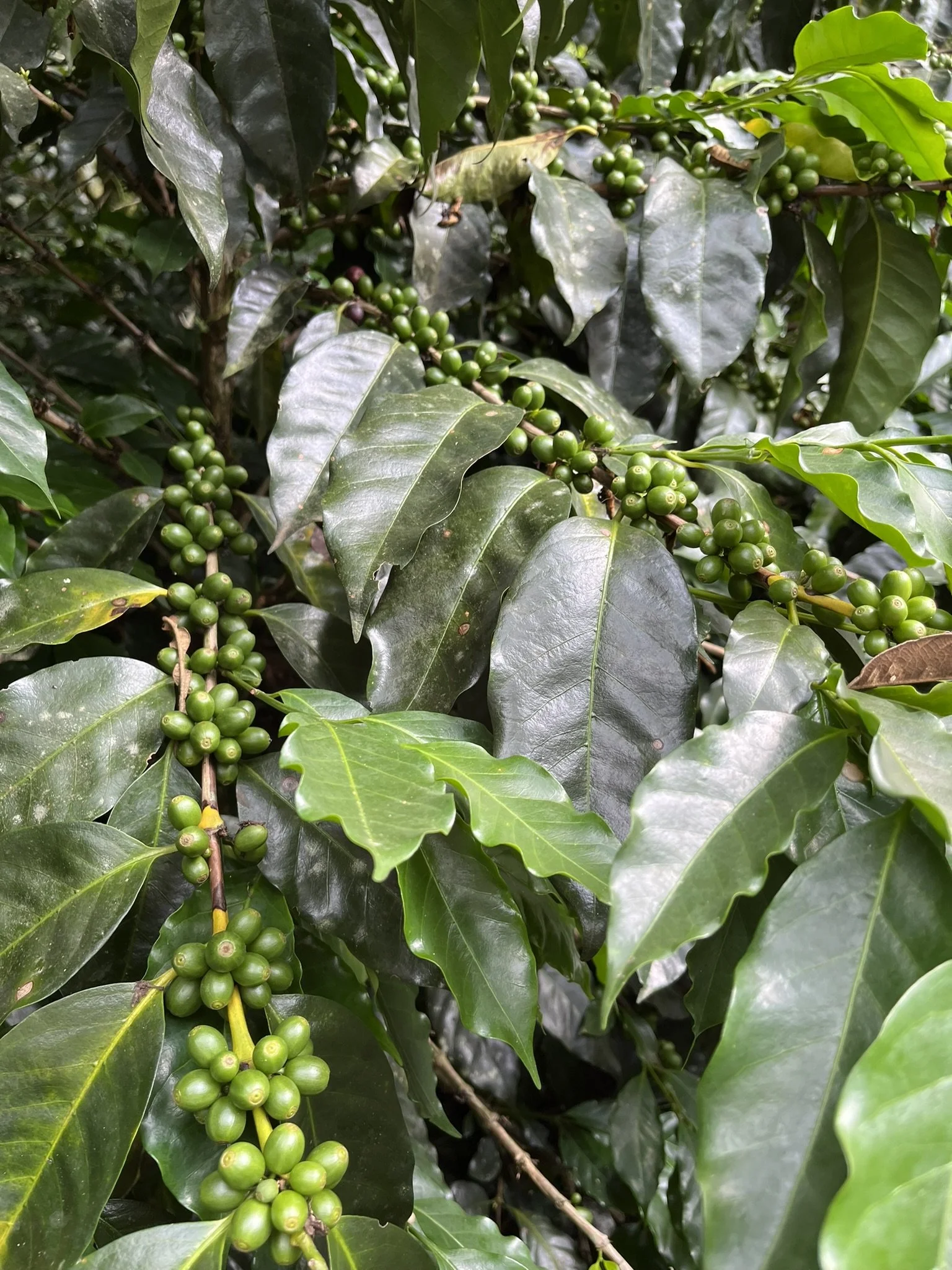 Image 3 of 5
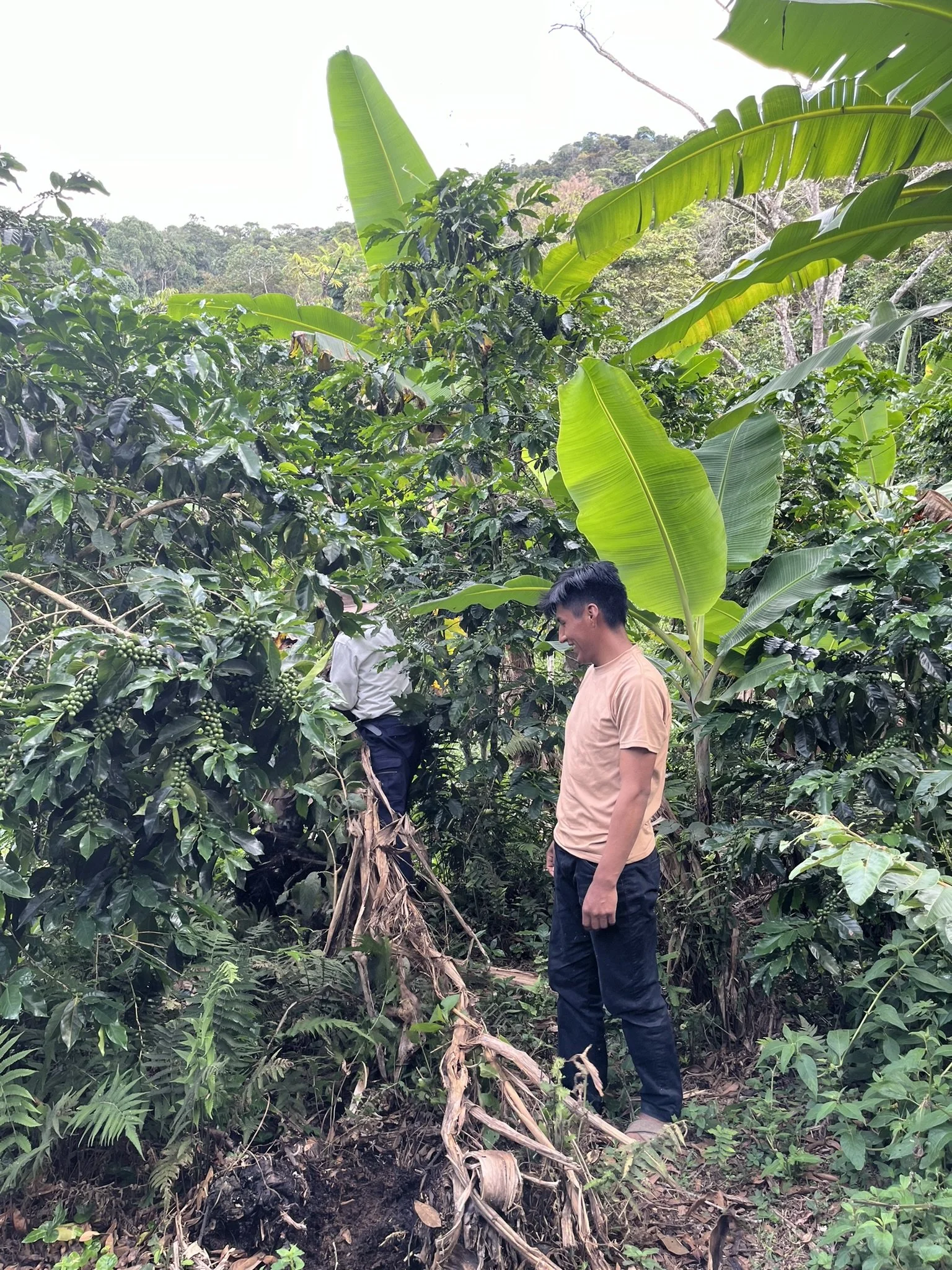 Image 4 of 5
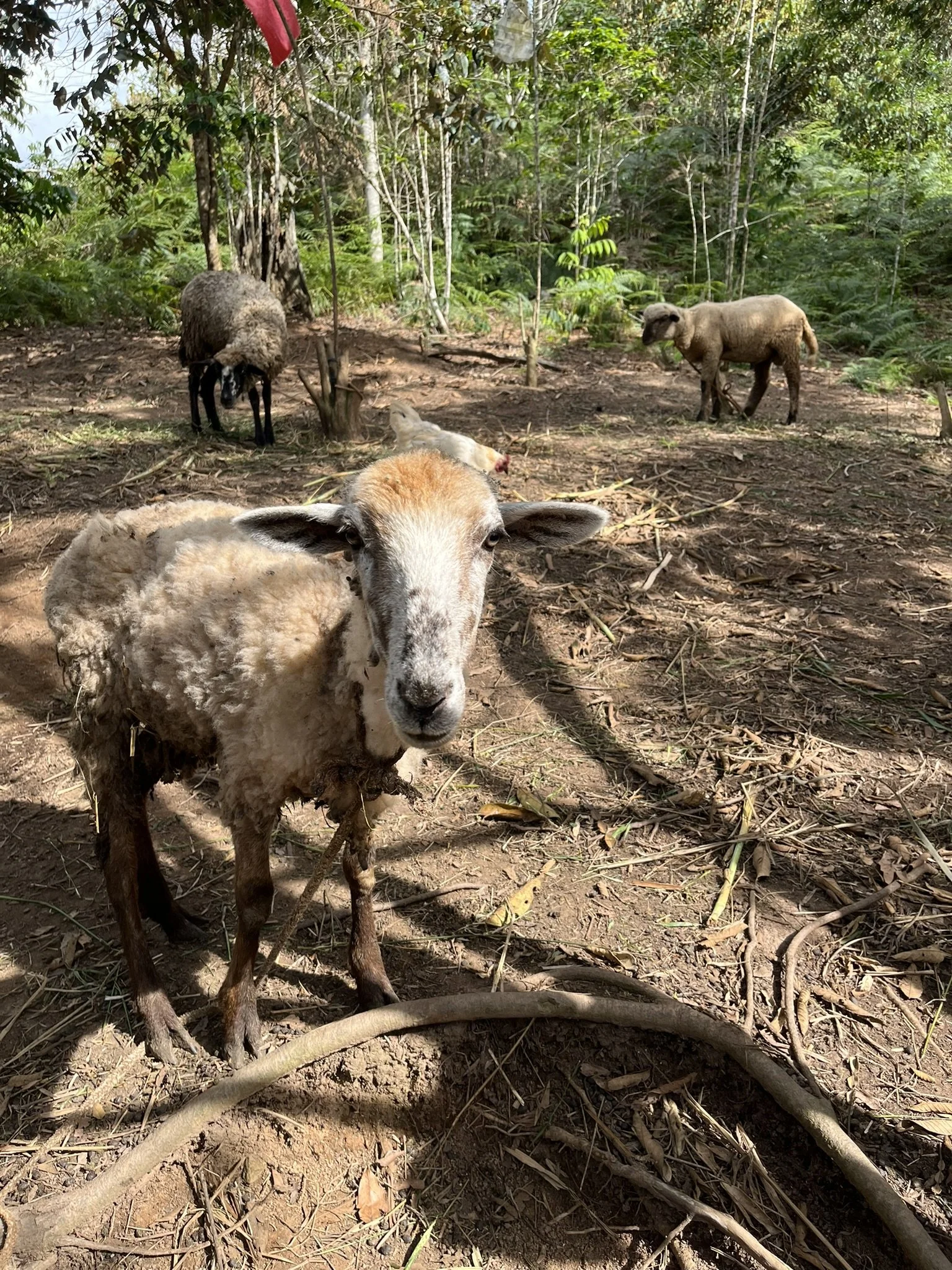 Image 5 of 5


Origin:
Bolivia, Taipiplaya
Producer:
Familia Arce


Farm:
Esperanza & Fortaleza
Altitude:
1750 masl


Process:
Variety:
Castillo
Natural
Medium Fermentation Impact
About the producer
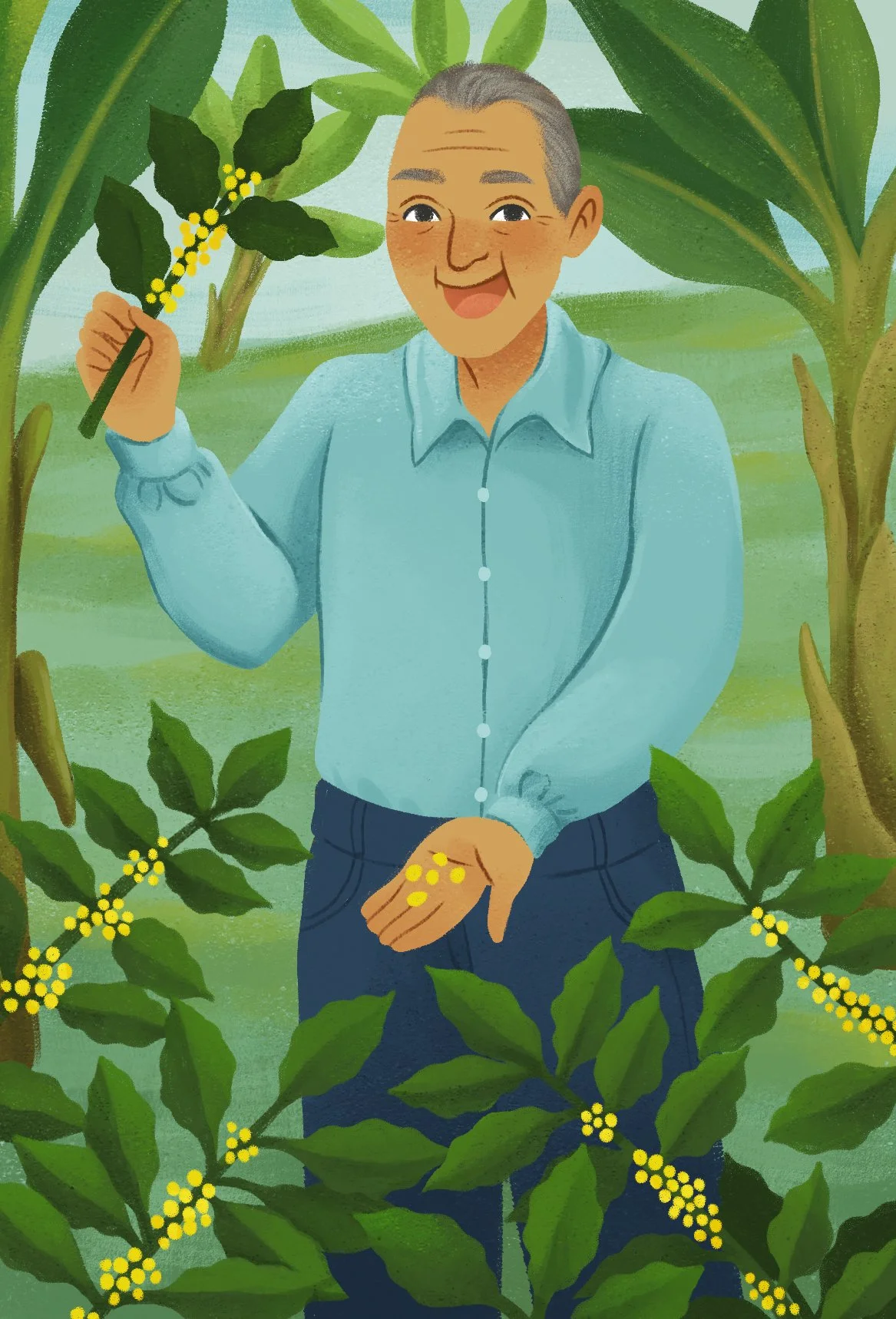
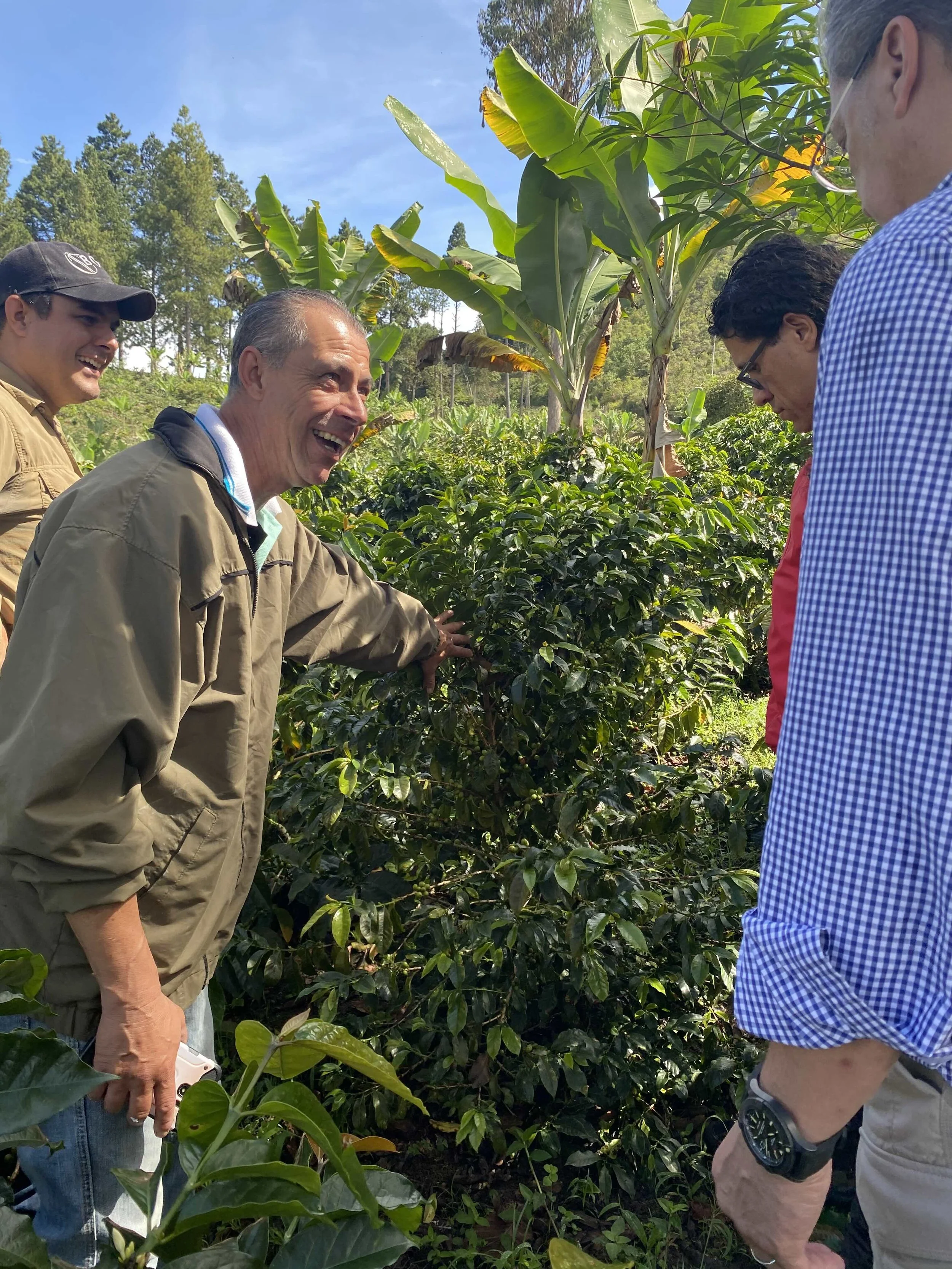
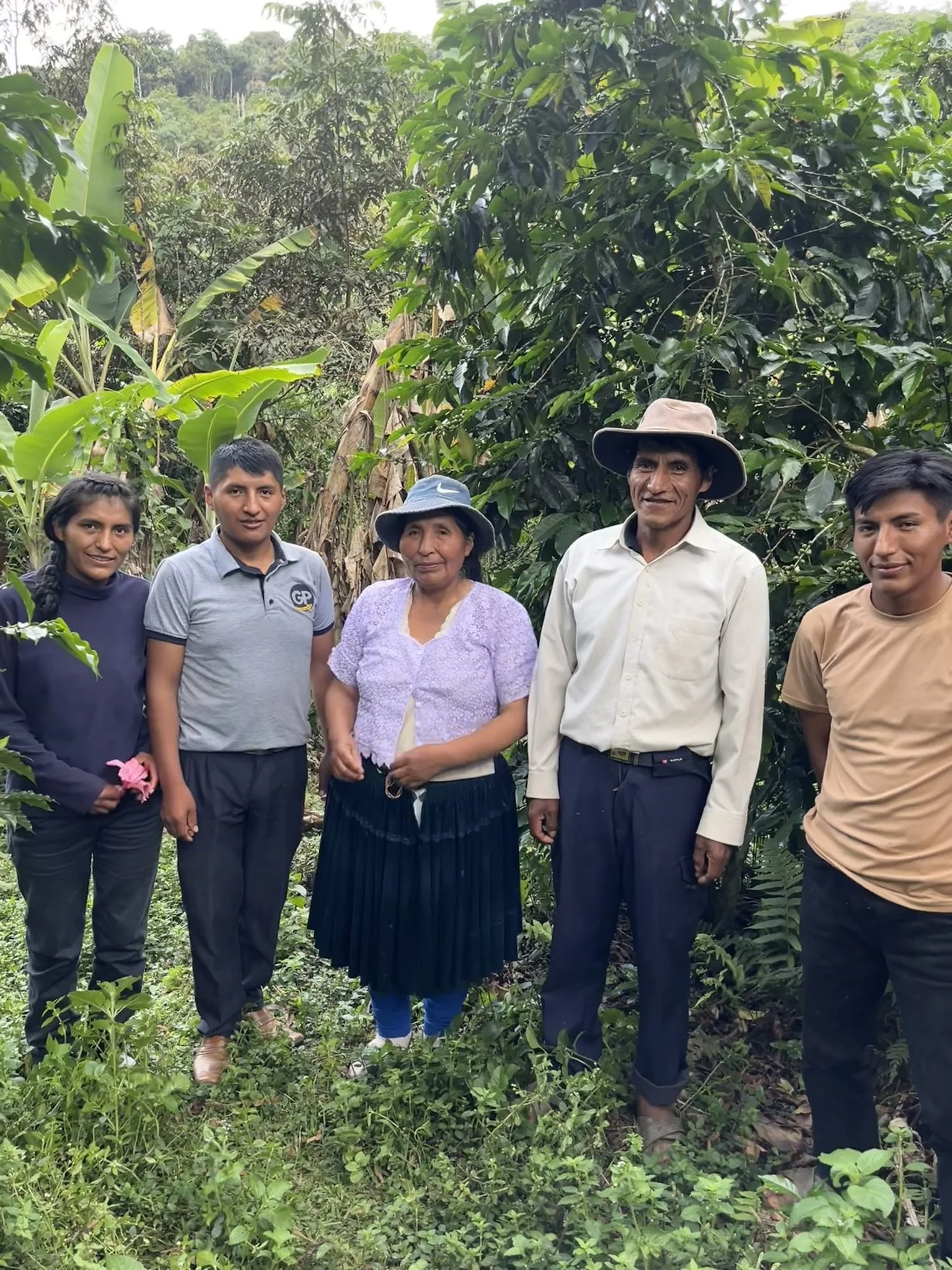
The Arce family cultivates coffee in Taipiplaya, in the Province of Caranavi, Department of La Paz. They originally come from the Department of Cochabamba, where their farming life was mostly centred on potatoes. After moving to the fertile Yungas region, they began growing coffee, and Martin Arce has been a member of the Asocafe cooperative since then.
His youngest daughter, Arminda, studied agronomy at university and wrote her thesis on fermentation processes in coffee during drying. Together with her brother Leonardo, she encouraged their parents to take charge of the post-harvest process and add more value to their coffee, instead of only picking cherries and selling them to the cooperative.
The Arce family has two small lots, separated only by their house: Finca Esperanza, meaning “hope”, and Finca Fortaleza, meaning “strength”.
Their shift toward post-harvest processing started with a small manual depulper and raised African beds, which they built themselves using wood from the farm and mesh. Since then, they have focused mainly on natural processed coffees, producing up to 30 bags a year.
Coffee is very much a family project, shaped by Martin’s farming experience and by the knowledge and curiosity of his children, Arminda and Leonardo.
About variety, processing and farming practices
Caranavi is Bolivia’s largest coffee region, known for its fertile soil and its abundant water resources. Located at the foothills of the Andes, it is surrounded by native forest, waterfalls and rich biodiversity, including orchids, rare birds, butterflies, jaguars and howler monkeys.
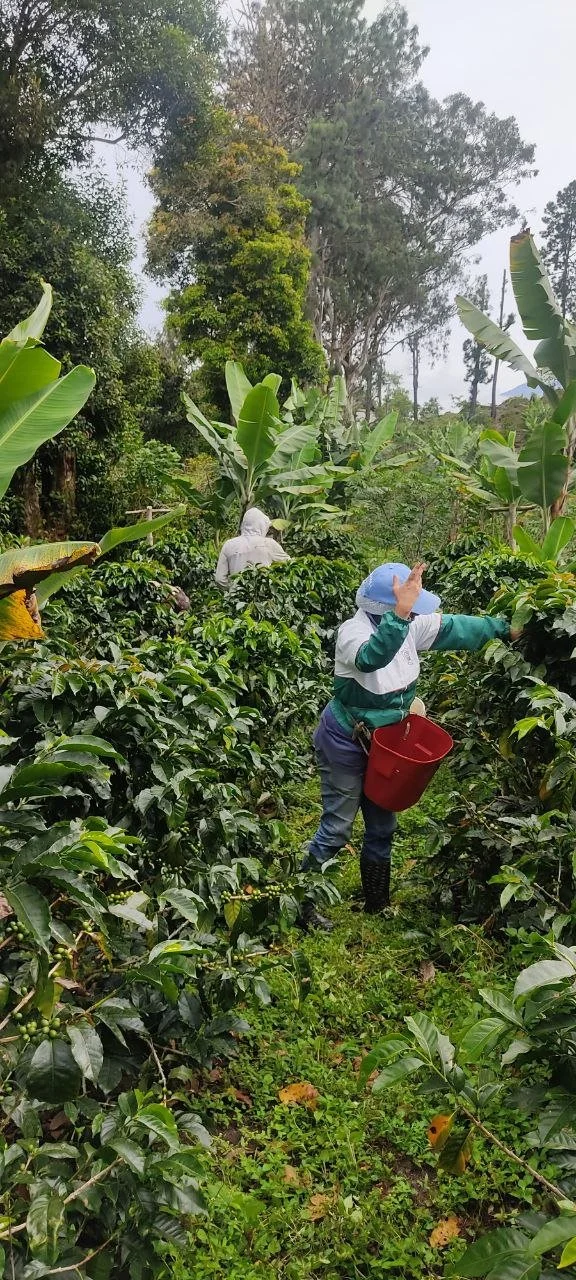
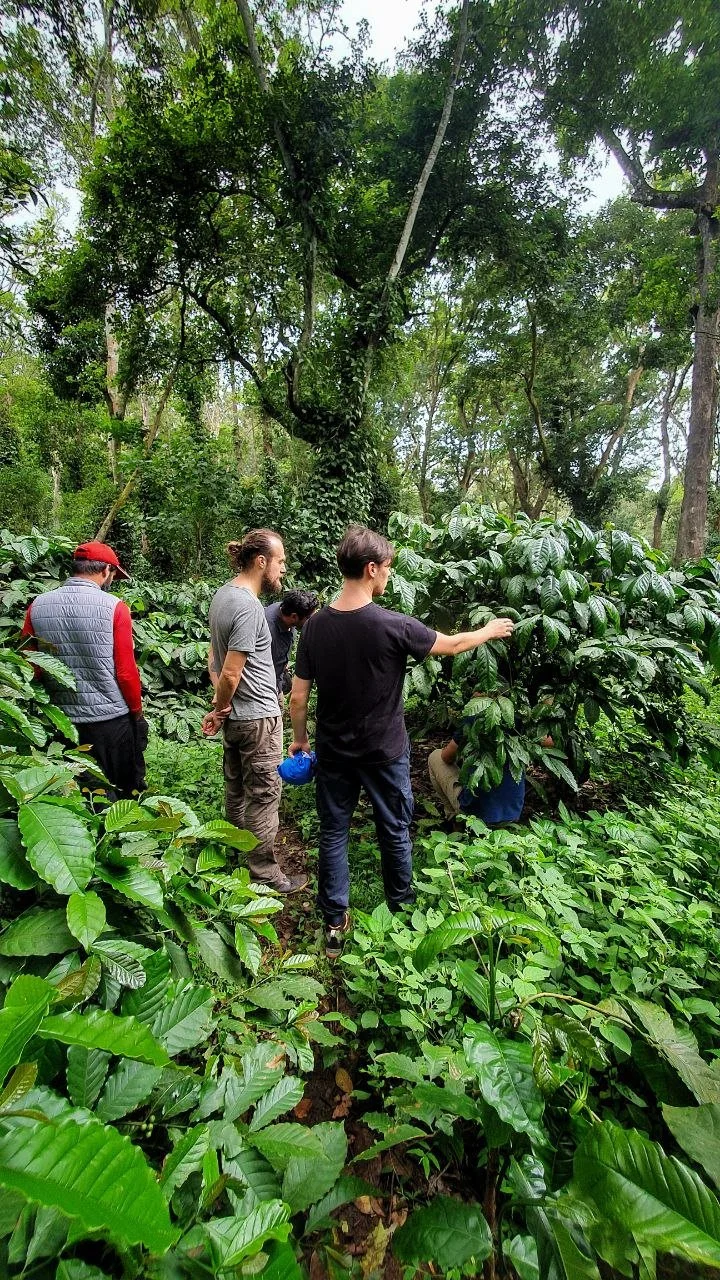
In such a biodiverse environment, careful farming matters. The Arce family cultivates coffee in an agroforestry system, working in close connection with the surrounding ecosystem.
One distinctive feature of the farm is that the family produces its own fertilizer. Instead of relying only on certified organic inputs available on the Bolivian market, they use sheep manure to prepare farm-made fertilizer for their coffee plants. Sheep are unusual in this region, but the Arce family brought this practice with them from their time in Cochabamba.
In an area also inhabited by jaguars and smaller wild cats, keeping sheep is not without risk. So far, though, the sheep have stayed safe and sound.
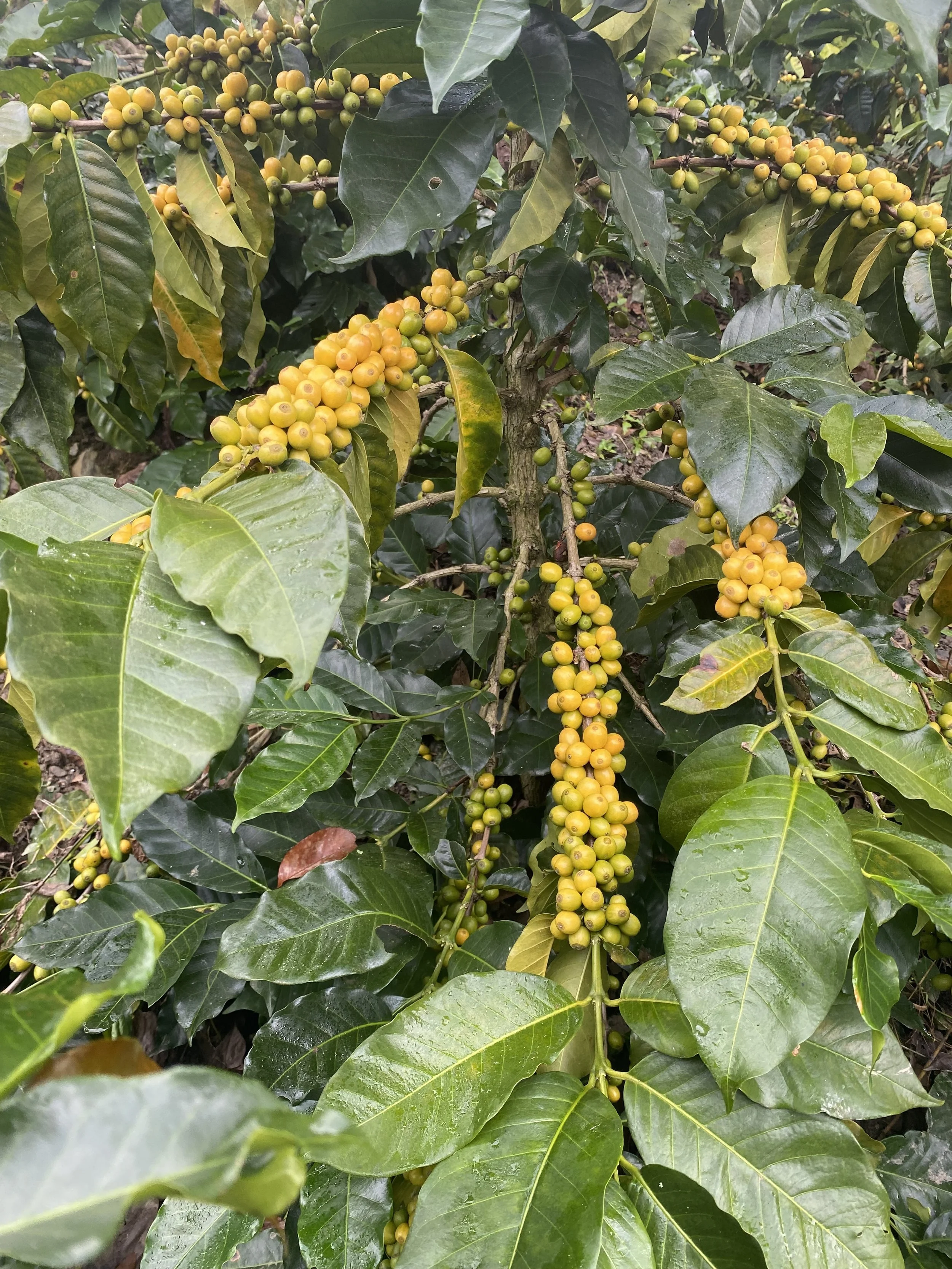
This lot is a natural processed Castillo variety.
Originally developed by Cenicafé in Colombia after decades of research, Castillo was created to combine cup quality, productivity and strong resistance to coffee leaf rust. The variety descends from crosses involving Caturra and Timor Hybrid genetics and remains one of the most resilient modern Arabica cultivars grown in Latin America.
After harvest, the cherries are dried naturally on raised African beds for 20 to 30 days. During drying, fermentation develops gradually inside the fruit, contributing sweetness, structure and fruit complexity.
Despite the challenges of drying natural coffees at 1750 masl, this lot delivers high sweetness and notes that remind us of tinned peach, mandarin and cacao.