 Image 1 of 8
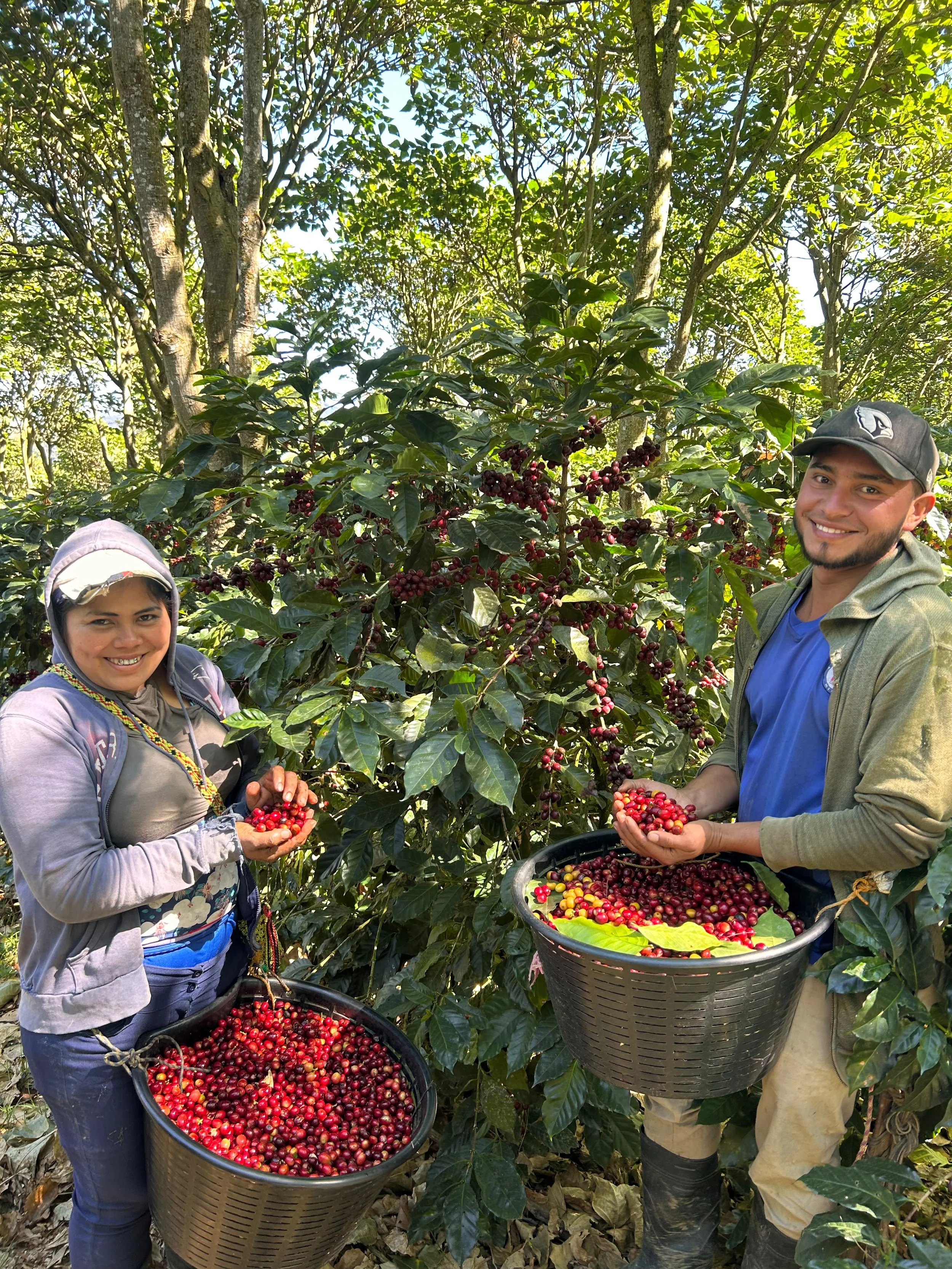 Image 2 of 8
 Image 3 of 8
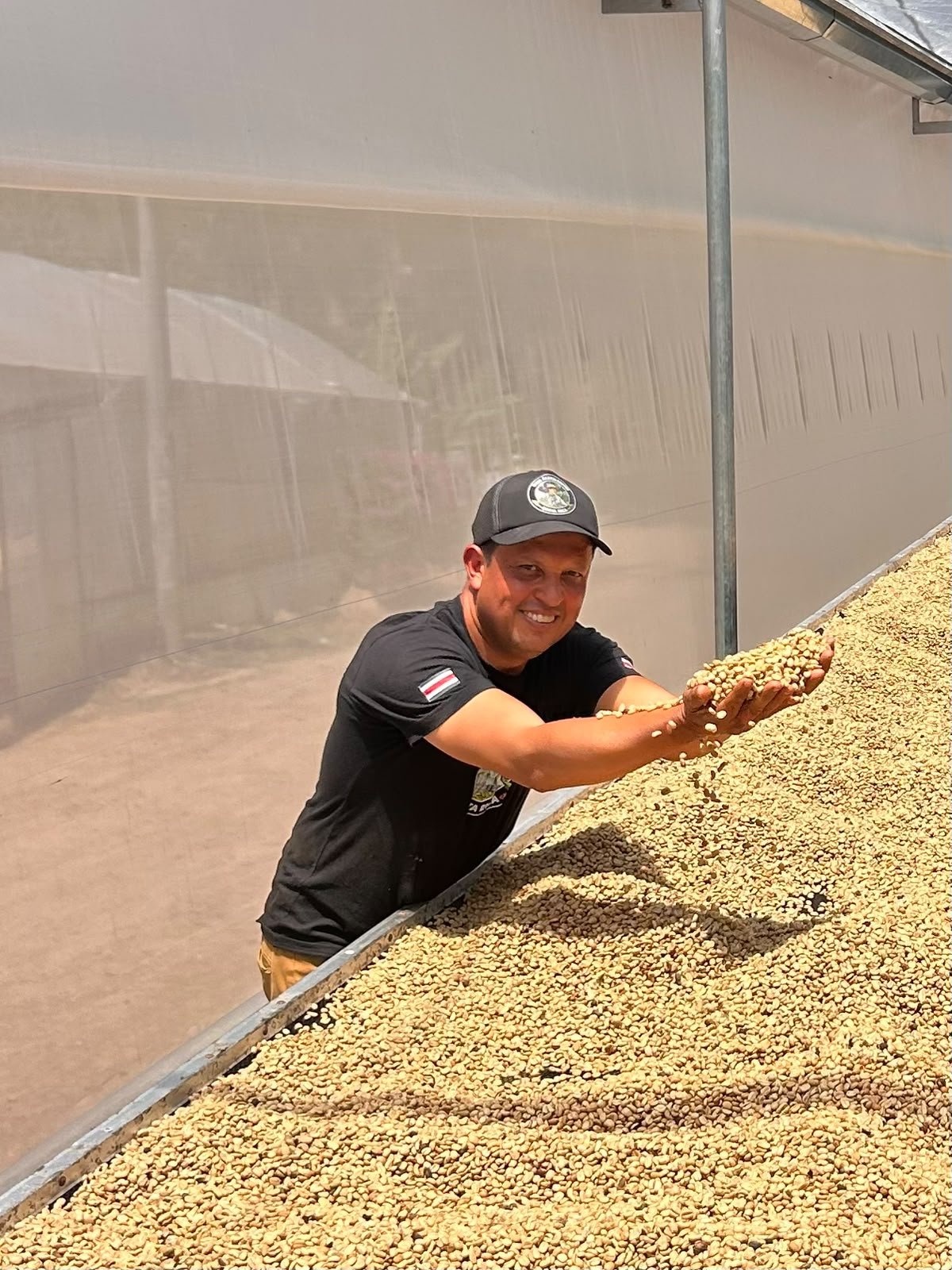 Image 4 of 8
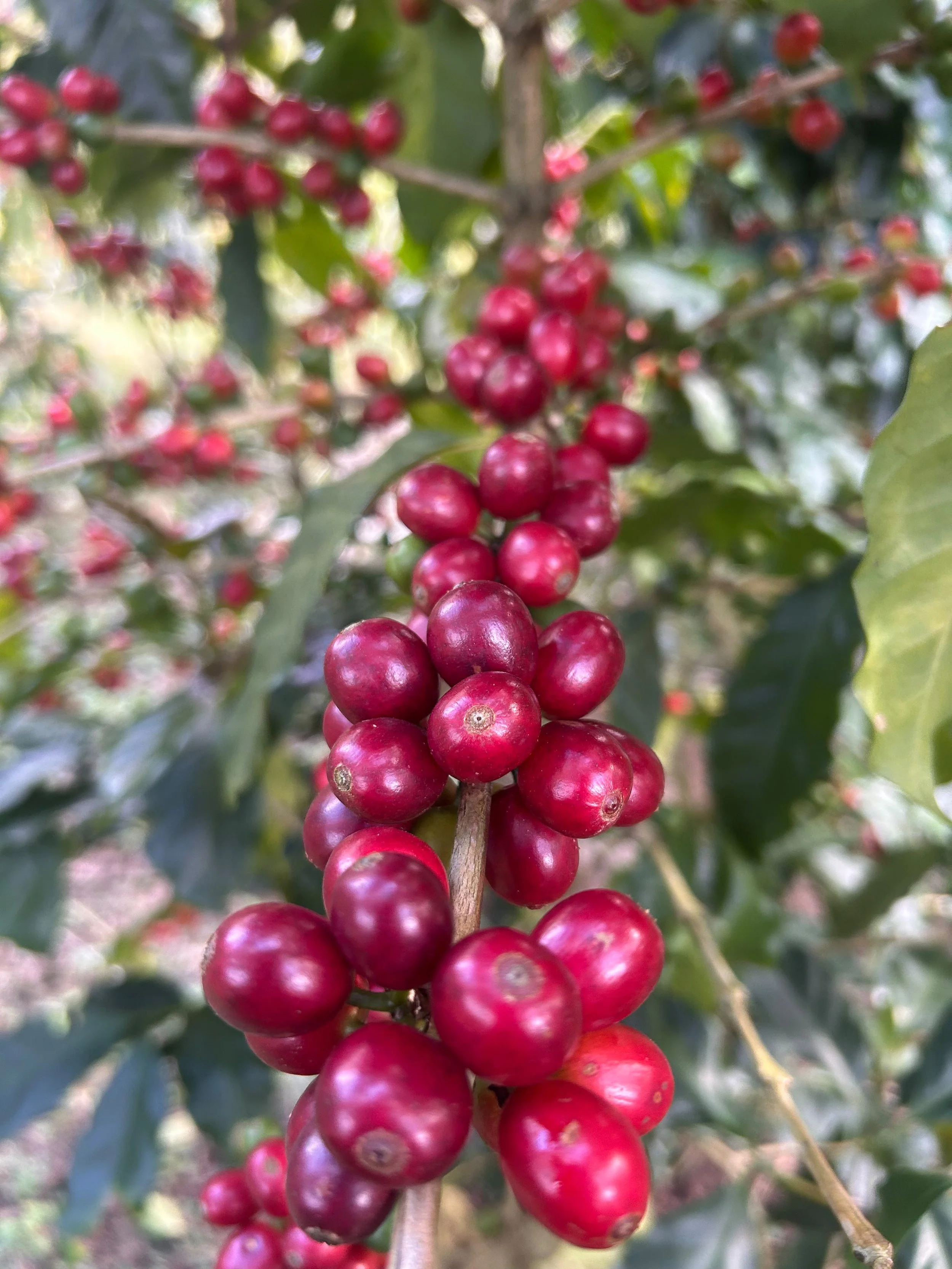 Image 5 of 8
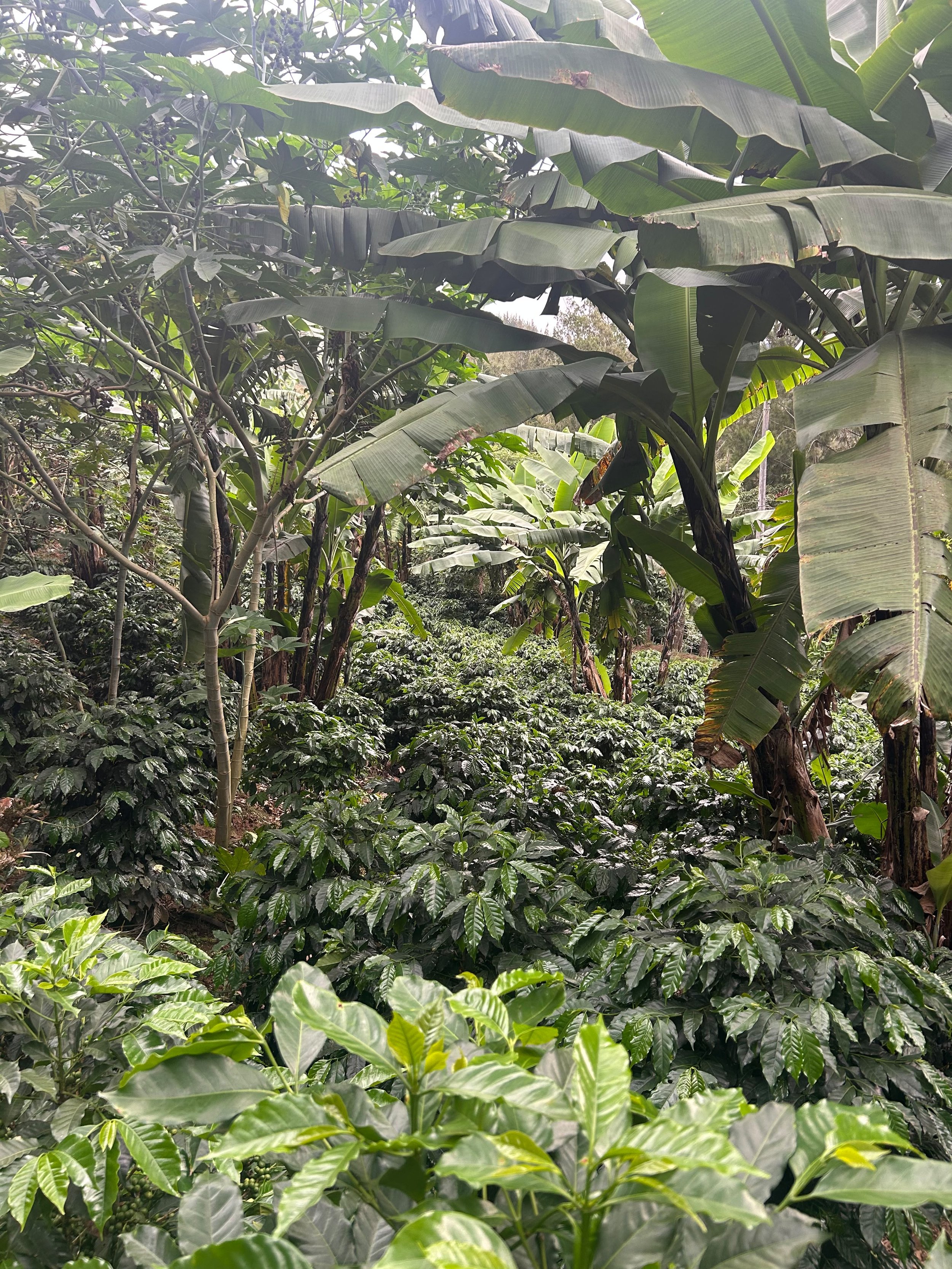 Image 6 of 8
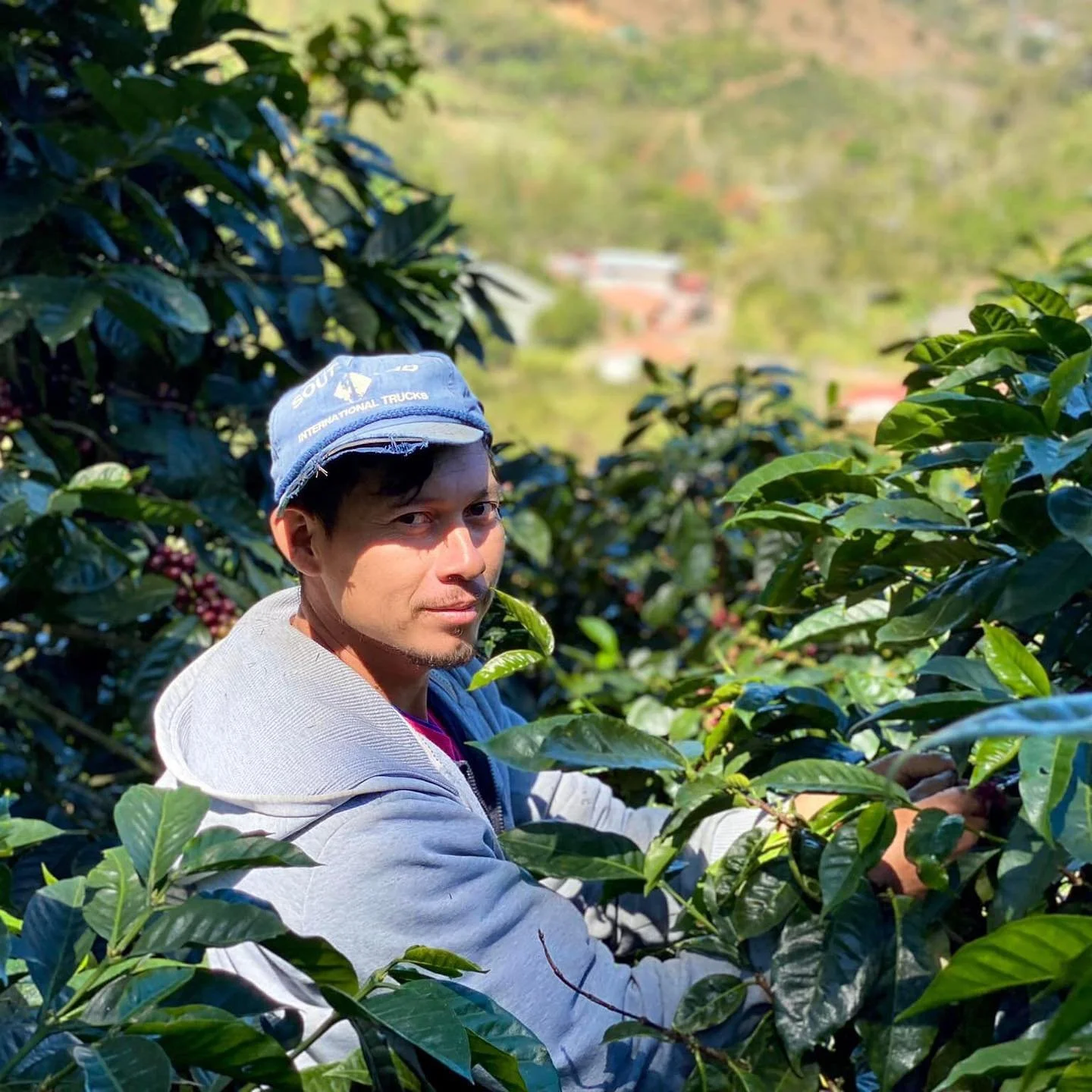 Image 7 of 8
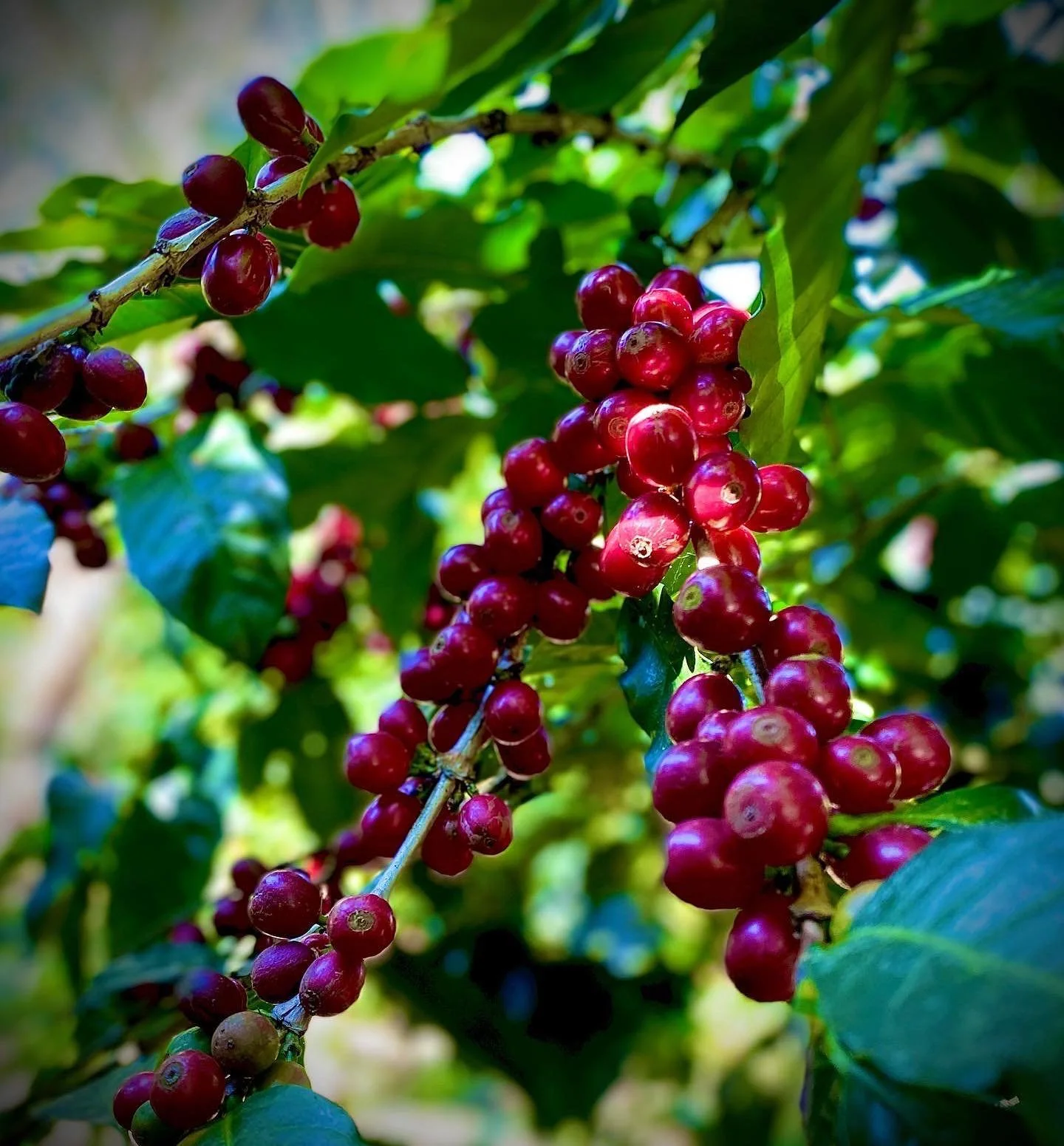 Image 8 of 8


Origin:
Costa Rica, Los Santos
Producer:
Don Alexis Coffee

Farm:
Los Campos
Altitude:
1750 masl


Process:
Variety:
Esperanza
Natural thermic aerobic
High Fermentation Impact
About the producer
Owned by the Ramirez-Navarro family, its founder and father of the family Mr. Alexis Ramirez was a farmer that dedicated his entire life to agriculture.
Don Alexis' coffee farm stands as a model of regenerative agricultural practices. By promoting biodiversity, protecting natural resources and fostering community well-being, the farm not only produces high-quality coffee but also supports the local ecosystem and population.
The farm employs 10 full-time workers, providing stable livelihoods for local families year-round. During harvest season, an additional 20 seasonal workers, who return annually, help with the coffee picking. This consistent employment structure fosters strong community bonds and ensures a dependable income for the workers, enhancing the social sustainability of the farming operation. By supporting local workers and their families, Don Alexis ensures that the farm's regenerative practices benefit not just the environment but also the local population.
We’re especially proud to share another coffee from this producer, first showcased at the 2024 Italian Barista Championship, where it supported our 2nd place achievement.
Key regenerative agricultural practices implemented on the farm
Sustainable water management: the farm contains several natural water springs that provide water to the surrounding town. Don Alexis uses only environmentally safe products for farming, ensuring that water runoff does not contaminate the water sources. This approach helps maintain water purity for both the community and the environment, safeguarding the area's water supply and contributing to the regeneration of the local ecosystem. The Penagos machine that they use does not require Don Alexis to use a water pool for flotation and removing unripe coffees when picked and before making the specific processes. Instead, the Penagos machine can classify the higher quality beans when peeling into A grade and B-C grade beans without the use of water.
Soil health and nutrient management: twice a year, Don Alexis performs detailed soil and leaf testing to monitor the nutrient needs of the coffee trees. By adjusting fertilization based on the specific nutrient requirements, the farm ensures that the coffee plants receive exactly what they need, avoiding overuse of fertilizers and maintaining soil health. This strategy nurtures long-term soil fertility and contributes to the overall resilience of the farm, enhancing the productivity and sustainability of the ecosystem.
Erosion control and soil protection: weeds are left on the soil surface rather than being removed, offering a natural shield against soil erosion. These weeds not only help retain moisture in the soil but also serve as organic matter that decomposes into compost, enriching the soil with nutrients. This practice improves soil structure, enhances water retention, and reduces the need for artificial inputs, fostering natural soil regeneration. This soil management also helps sequestrate and fix CO2 in the soil.
Biodiversity and agroforestry: in alignment with regenerative farming principles, the coffee plantation is intercropped with nitrogen-fixing trees, which naturally enhance soil fertility. Additionally, a variety of fruit trees provide shade for the coffee plants, encouraging the growth of a biodiverse ecosystem. These trees support local wildlife, particularly birds that aid in pollination, creating a vibrant and healthy environment. The farm also grows avocado trees, which not only contribute to biodiversity but are also sold as a secondary source of income for the farmer. This diversified system promotes resilience and economic stability, reinforcing the farm's sustainability goals.
Waste management and composting: all organic waste from coffee processing, such as coffee cherry skins and mucilage water, is repurposed as compost. This waste is stored in a compost pond adjacent to the wet mill and, after composting, is used as a natural fertilizer for the farm. This closed-loop system reduces the farm's reliance on external inputs, prevents waste from polluting local ecosystems, and returns valuable nutrients to the soil, contributing to soil regeneration.
About variety and processing
Esperanza is a hybrid of Sarchimor T-5296 and wild Ethiopia ET-25 varieties, developed by various Central American coffee research institutes together with World Coffee Research. Esperanza combines high cup quality with high resistance to disease.
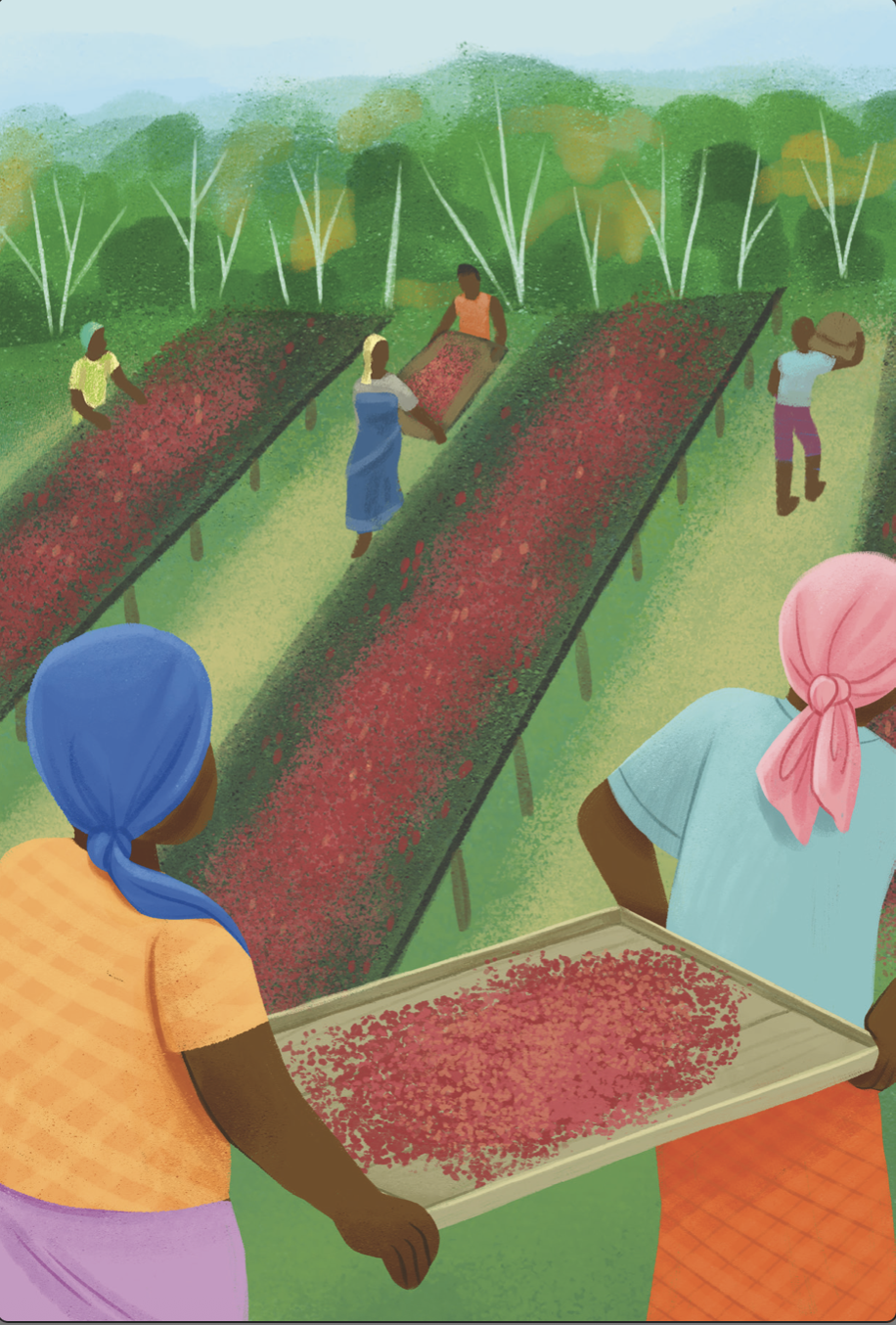
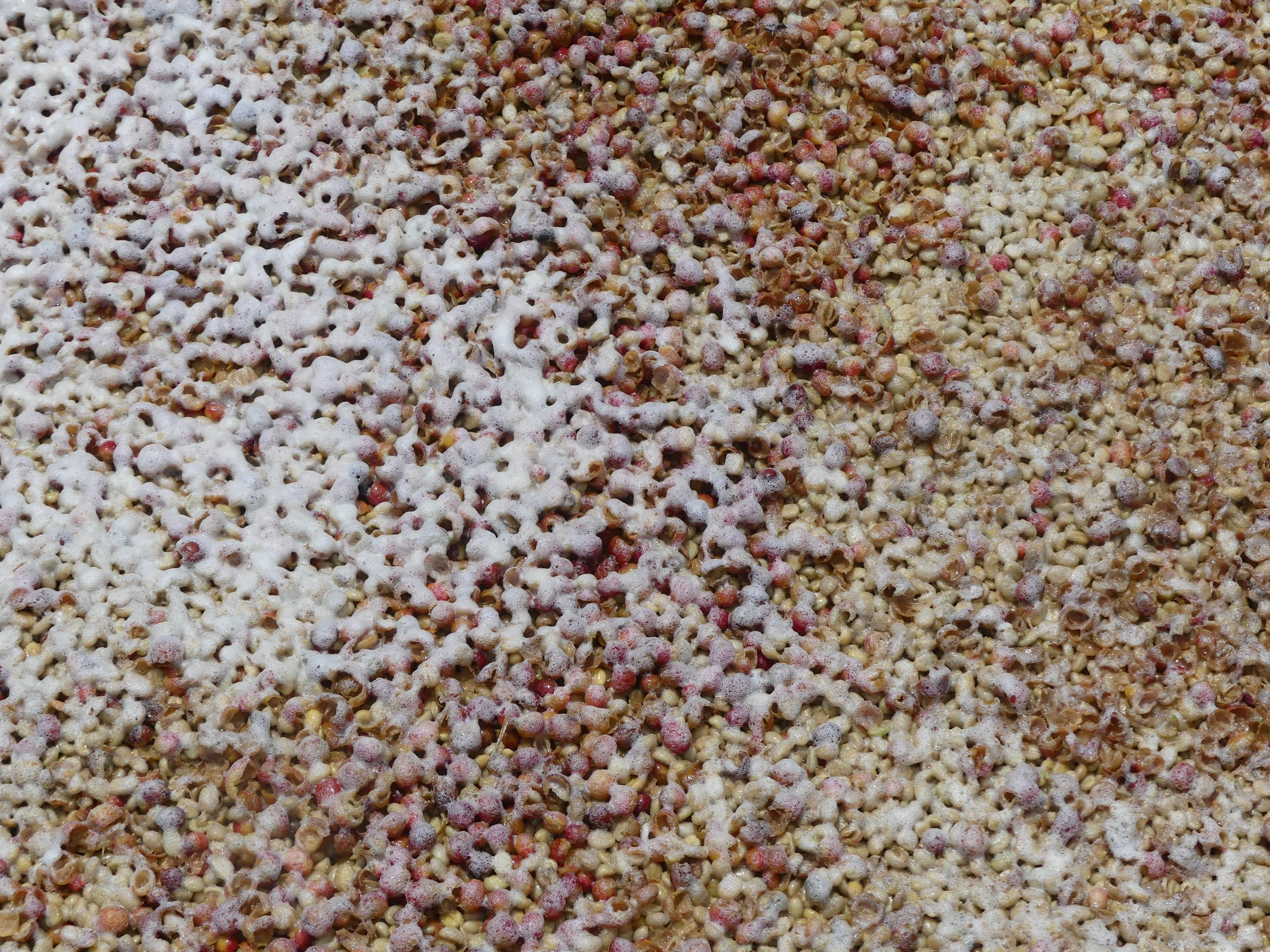
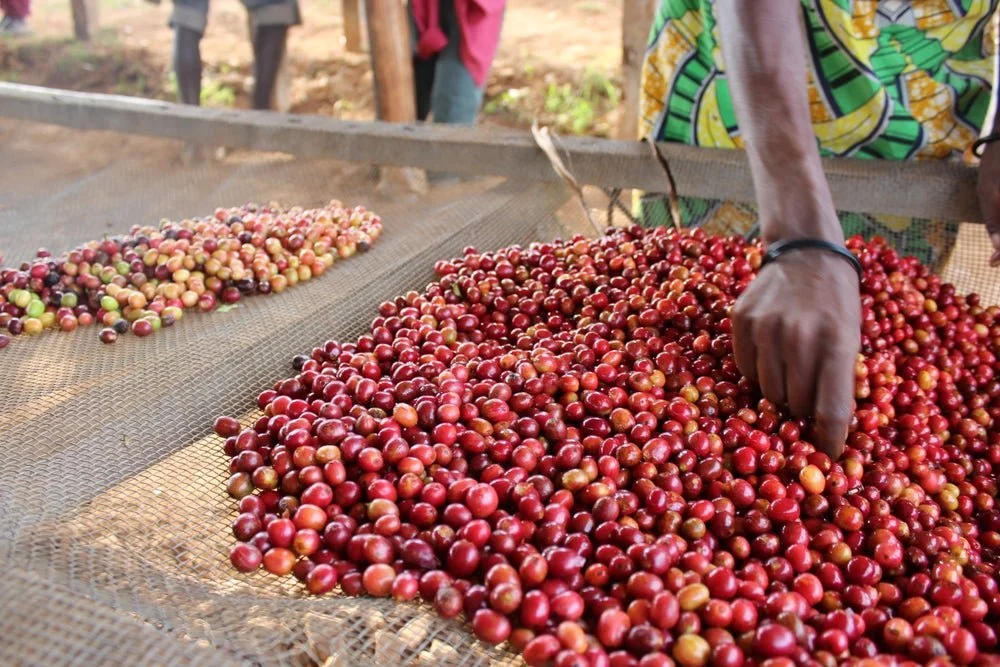
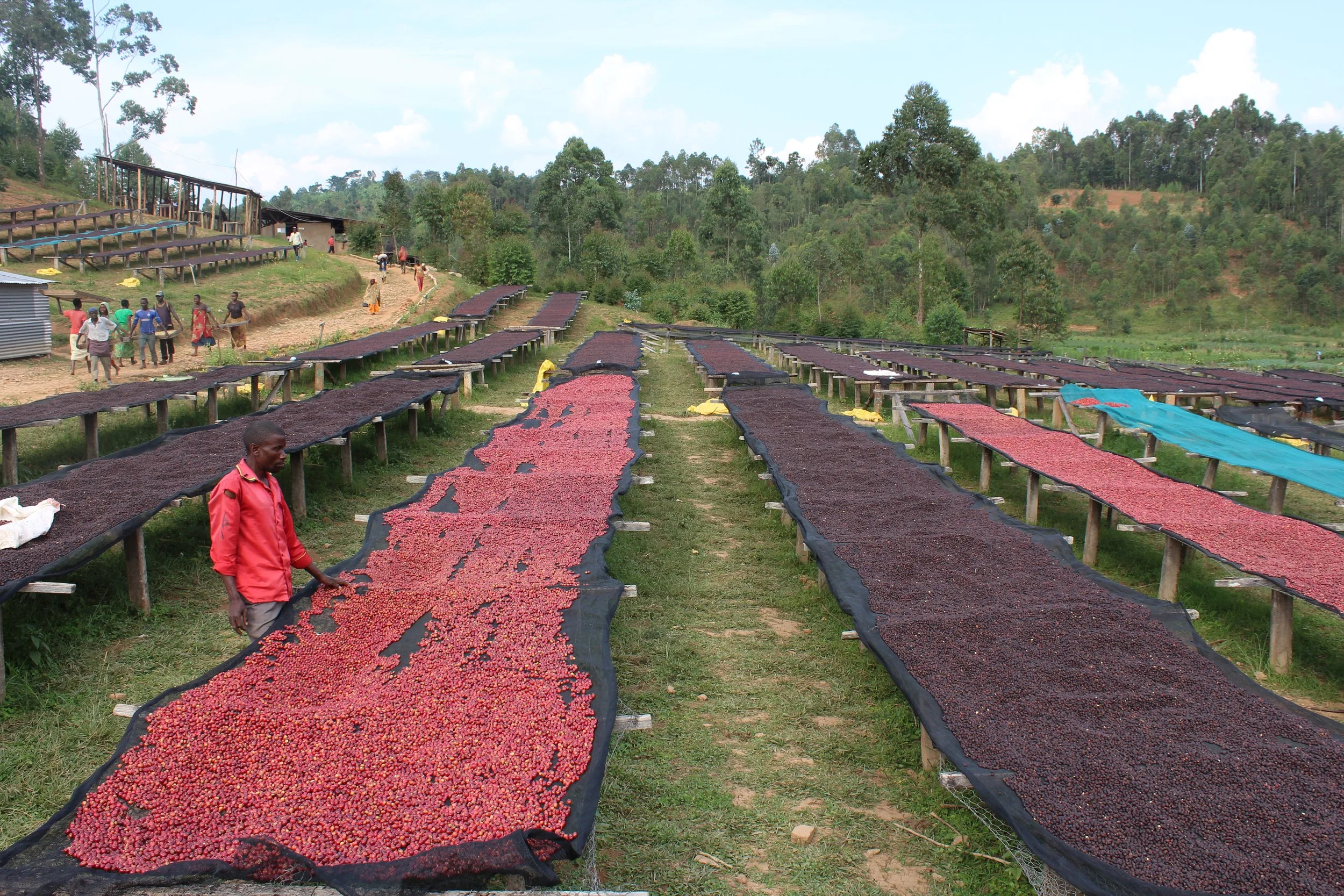
Ripe cherries are picked then they are rolled inside black plastic bag and layed over raised beds inside a greenhouse to ferment for 72h. Particular microbes resist to a temperature of 40 to 45C allowing each batch to ferment at a constant rate.
The high temperature allows to drastically reduce the fermentation time while keeping the complexity of an extended one, controlling constantly temperature at least 2 a day allows to avoid any unwanted alcohol or bad flavours.
In the cup we think it tastes like:
candied orange, chocolate liqueur and mango.
Need the right tool?
We provide the best coffee making machines for your business and home use. Check the related category and discover a better coffee.
Upgrade your skills
We provide the best coffee making machines for your business and home use. Check the related category and discover a better coffee.